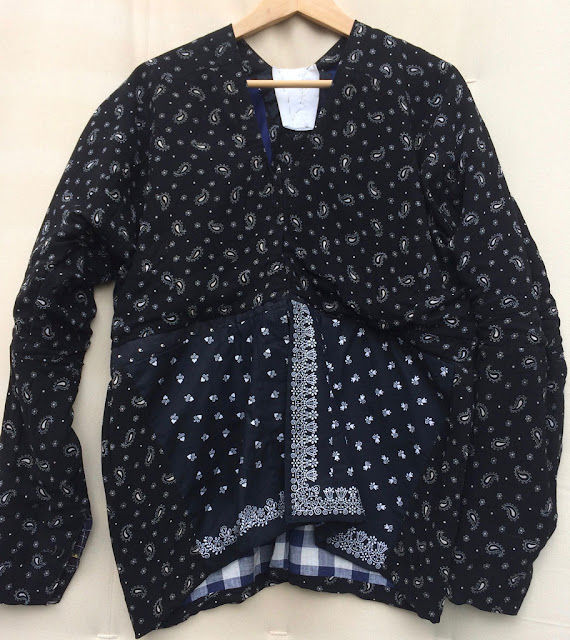
After getting this mourning wear jacket, ‘Jakje’ in Dutch, from Spakenburg I have been thinking of its meaning and function. While trying the jacket on two ladies sitting in the café of the Museum Spakenburg dropped their knitting needles.
“Do you like it?” asked one, yes, I replied
“Fits perfect”, the other one, yes, it fits good I guess
“Do you like it?”, yes, I think I’m going to get it
“Are you going to wear it?”, yes, I think so.
“You know its Mourning wear”, yes, I guessed as much.
They were fussing, pulling the jacket and discussing the price with the lady working there. I wanted it, but I didn’t know if it was okay. One kept asking if I wanted it, the other said, she wants it, I can tell. I thought the jacket was newly made after an old design. It turned out is wasn’t. It was secondhand, or as one of the ladies put it “No one can make that anymore, they are all dead”…
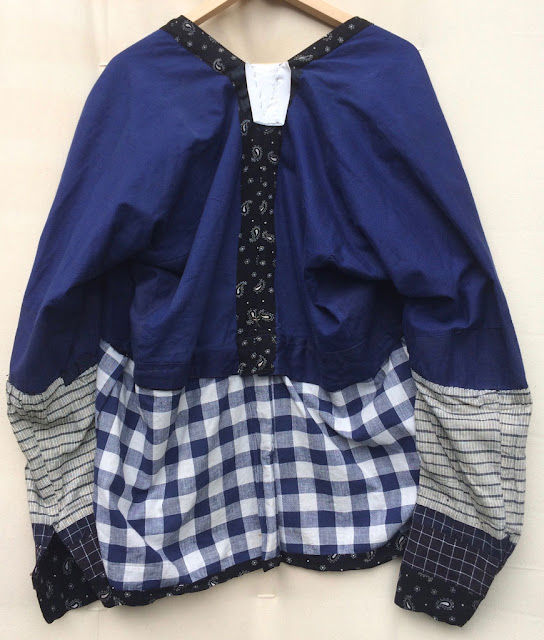
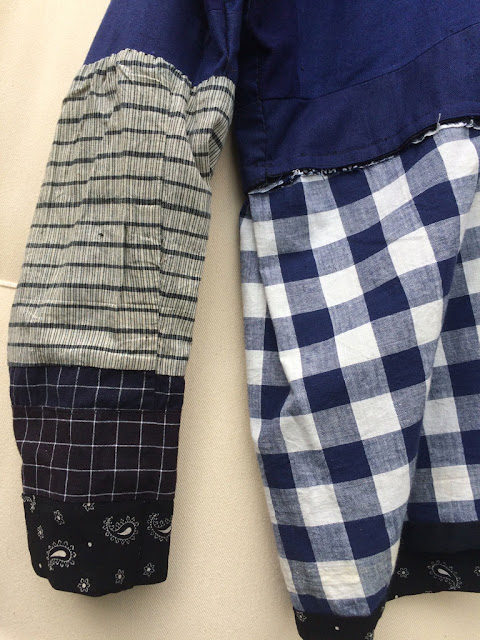
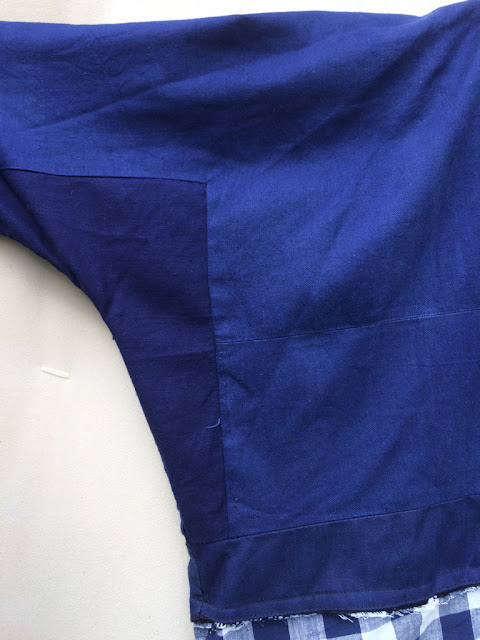
After examining the jacket, we found all these little mended parts, new pieces of fabrics added and repairs. The jacket was maybe worn by different wearers or at least repaired by different hands. Most repairs were done with much detail and care, but probably the last one, was done fast and without finishing it neatly as all the other alterations. A jacket tended to for many years while it was worn during the roughest times.
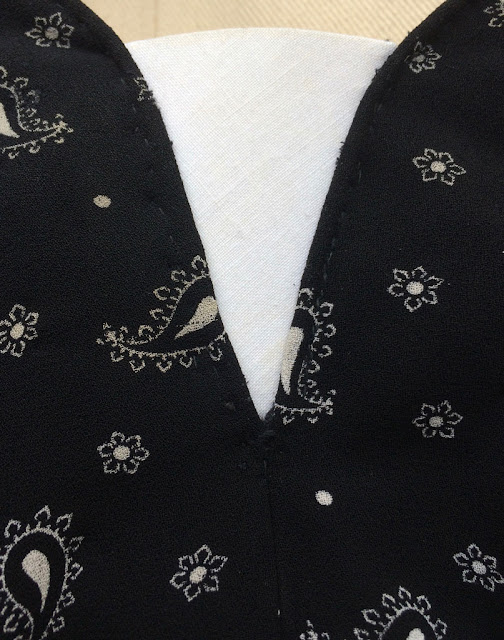
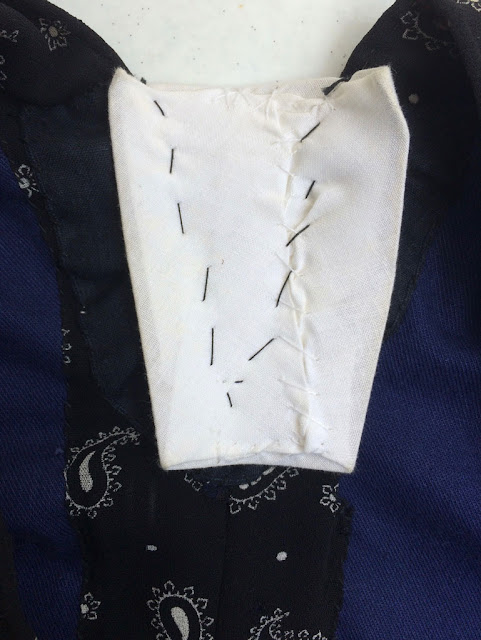
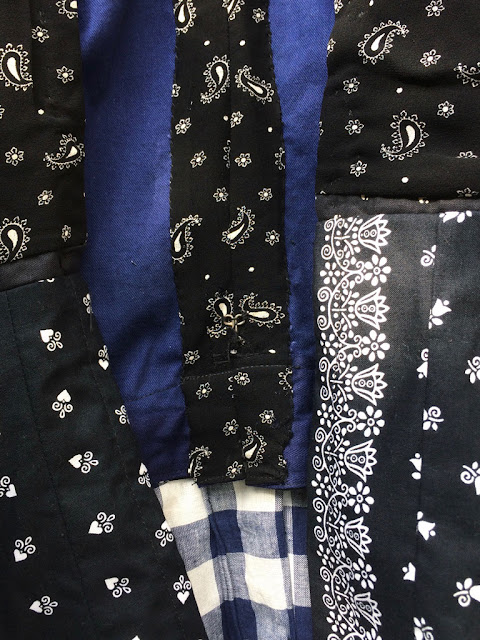
There are so many different traditions of showing grief in clothing. We assume that black is the ultimate colour for mourning, but probably it is more the go-to colour when people want to dress fancy aka smoking & the little black dress. Black was considered a fancy colour and still is. First because it was difficult, and therefor expensive to dye textile black. Later it had already reached its status and became easier to get, so everyone wanted it. As mentioned in ‘Fragments Of’ (see my previous post New Perspectives on Traditional Wear, which is in Dutch) in Brabant people wore black almost daily, and specifically for funerals & weddings. And it was common in more places to wear a black wedding gown.
I read somewhere there is a tradition of wearing torn clothing during a funeral, I forgot were and why (if you know, please comment below). It had to do with honouring life and showing your grief. I liked that idea.
In the Netherlands every traditional wear had its own set of rules. On Marken they have seven gradations of showing mourning in their clothing. In Spakenburg, were this jacket is from, after a first period of wearing black comes dark purple and after that five years, five years(!), of light purple. At one point you end up wearing mourning wear always. And this is one of the main reasons traditional wear, in the Netherlands, disappeared. The strict rules of mourning. The clothing didn’t only express your loss, your feelings, it also came with a pack of rules. You had to act the part, you weren’t allowed to do certain things. Going to festivities, go dancing and I’m sure there were a lot more things you couldn’t do. I don’t know if the rules were the same for man and woman…So it wasn’t just expressing loss but actually acting appropriate after loss. Which in some cases would be more acting then feeling I’m sure. But I still think when it comes to expressing feelings with clothing, I wouldn’t mind a kind of mourning wear. Not one that makes the wearer act a certain way, mourning is a personal process and shouldn’t been surrounded by rules, but one that works for their surrounding. If you are too sad to talk, how great is it if your clothing can do the talking.
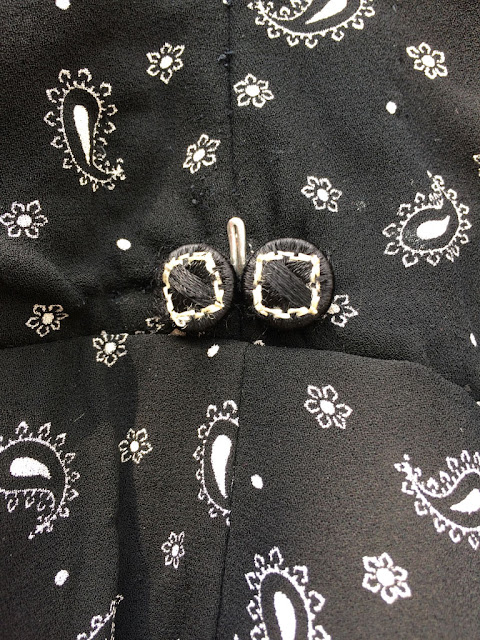
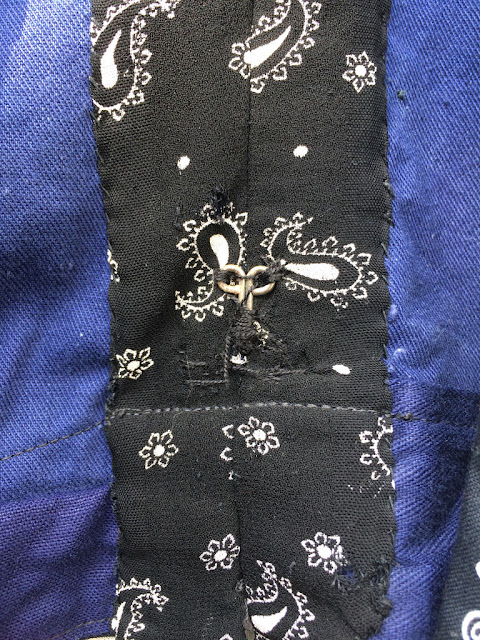
I’m still not sure if it is okay for me to wear this jacket. I think I can, because I’m outside of the tradition. I’m actually thinking of wearing it inside out. The most mended side on the outside. Honouring this handmade beauty and not offending anyone with the actual function of this jacket.
Mourning wear within traditional wear is an interesting topic which I definitely will re-visit in the near future, for now read more on:
The colour black in ‘Past & Present: The Color Black‘ on Design*Sponge
Article ‘An historical overview on dyes, dying and fabric colors in the Renaissance‘
Mourning Glory: Two centuries of funeral dress
Articles in Dutch: ‘n Draadje meer of minder – dat maakt het verschil by Jacco Hooikammer and Rouwen of trouwen? on Modemuze
Previous post ‘Let’s talk about Chintz‘