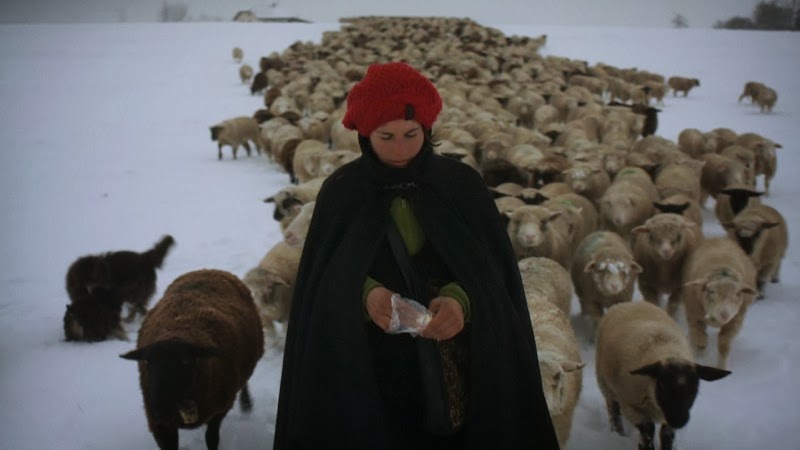
Ever since I seen the wonderful documentary “Winter Nomads” I’m stressed out. The clear choices made by the sheepherders in the movie made me realize I have still so much choices to make.
In a slow pace the two totally different characters lead their herd through a landscape covered with snow. I was first sooo relaxed after seeing it, but that changed rapidly.
I have many balls in the air at the moment and it’s always scary if you catch them or if they just fall to the floor with a disappointing ‘plof’. I was waiting for many conformations and in the process you lose time. Time I should spend on blogging or reading that big pile of books waiting to be read. Instead I gather more things to blog about! The great and strange thing about that is that they somehow start to overlap.
It started in December. Me and Koen went to the exhibition ‘Suspended Histories’ at Museum van Loon in Amsterdam. The museum is named after the Van Loon family, the last residents of the house and founders of the museum. The family originates from the town of Loon op Zand, near the city of ’s Hertogenbosch in the south of the Netherlands. In the 17th century, they moved to Amsterdam, and from then on were involved in commerce and city governance, like other leading families in the Golden Age. In 1602 Willem van Loon was a founding member of the V.O.C., the Dutch East India Company, and his grandson was the first Van Loon to become mayor of Amsterdam. The Van Loons were raised to the peerage in the 19th century. The canal house, in which the Museum is located, came into possession of the family in 1884, when the Honourable Hendrik van Loon purchased it for his son Willem as a wedding present.**
The exhibition tried to tell the tale of role the Van Loon’s had in the VOC. Apparently there is almost no virtual historical material, so they asked eleven artists to reflect on the VOC past of the Van Loon family. The exhibition tried to make a point, but with all the wealth filling the halls in the canal house, it was difficult to see it.
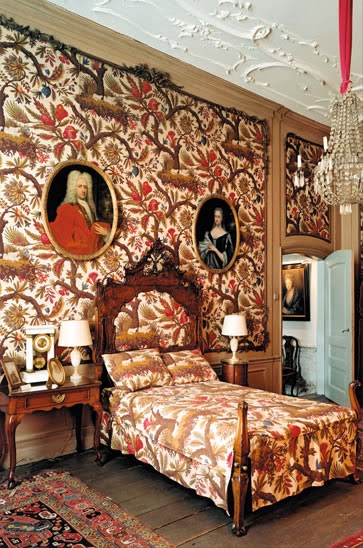
On internet I saw that a few rooms were covered wall to wall with bold patterns. One room was called the sheep room (“Schaapjeskamer”). Oehh sheep are my favorite animals! But where were they, I only saw a tree pattern on the wall.
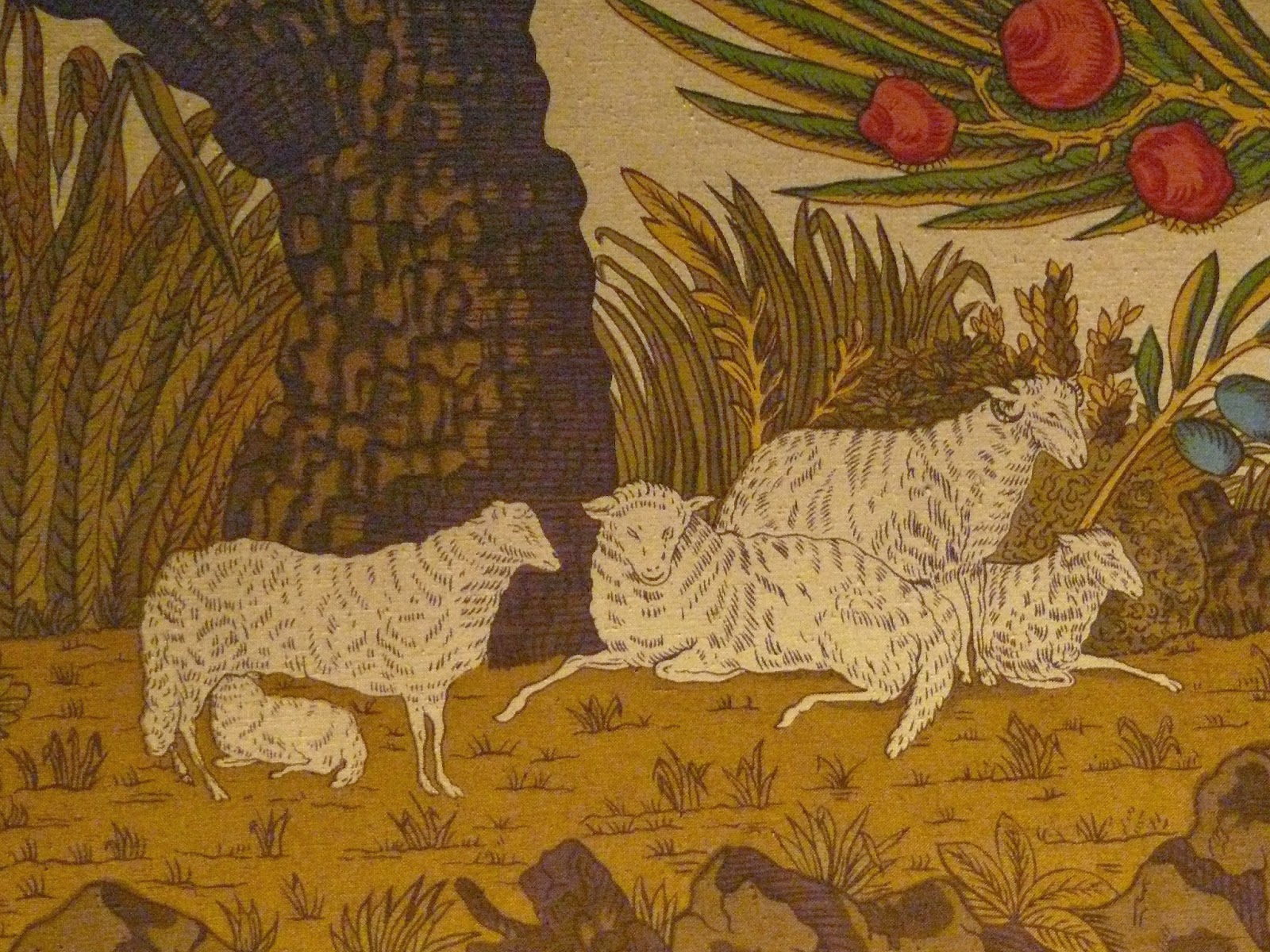
To my surprise the sheep were laying cozy under the tree, one sheep was even feeding her lamb. Why on earth would you put this on your wall? I would, but for these people it’s like MTV Cribs. It’s not what you like, it’s what shows your wealth the best. Maybe the sheep are associated with sleep, although in another room a huntress is killing exotic animals in a stylish blue and there was a bed as well…
Maybe it’s not the sheep it’s their wool. It was one of the things the VOC traded in.
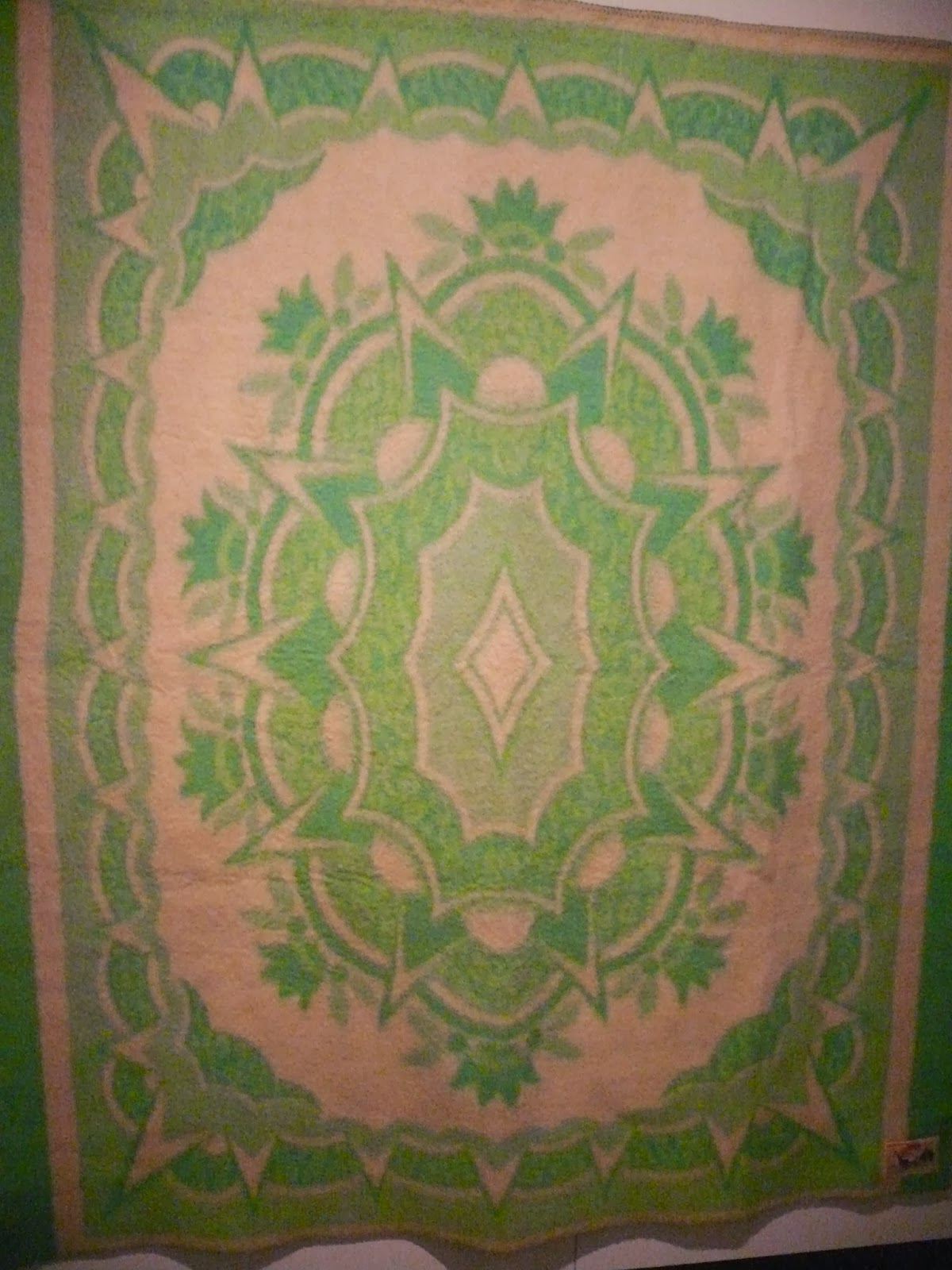
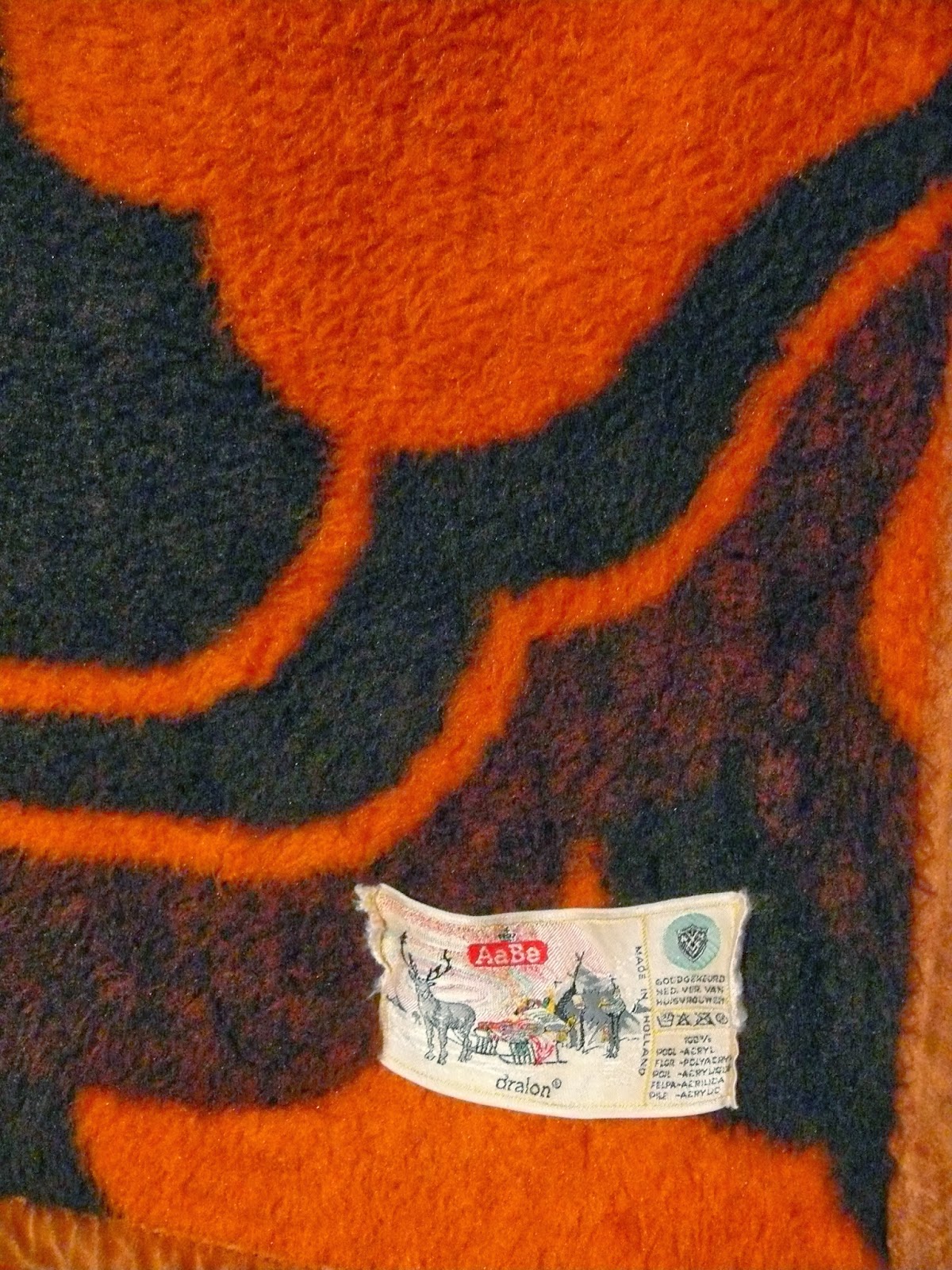
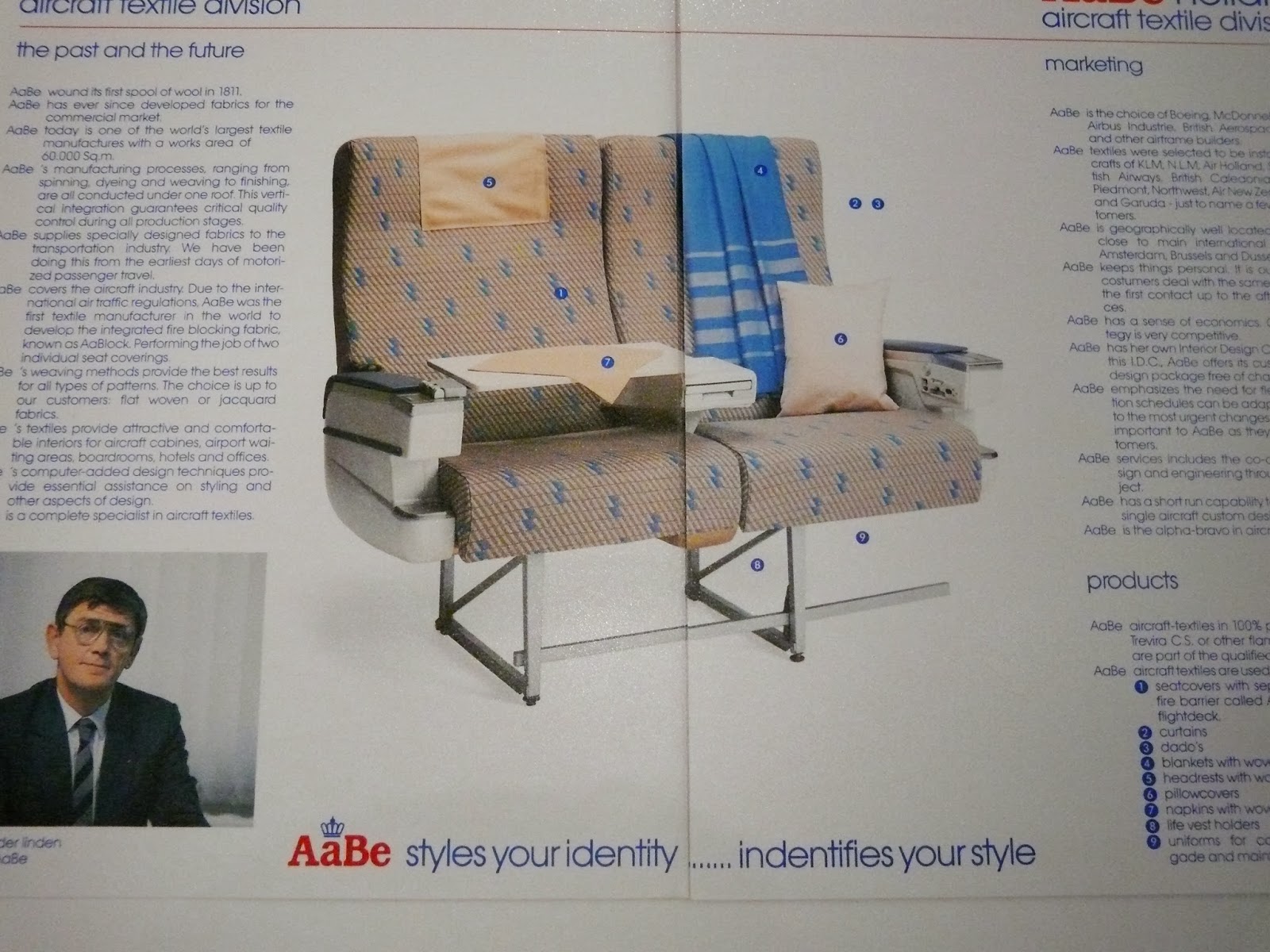
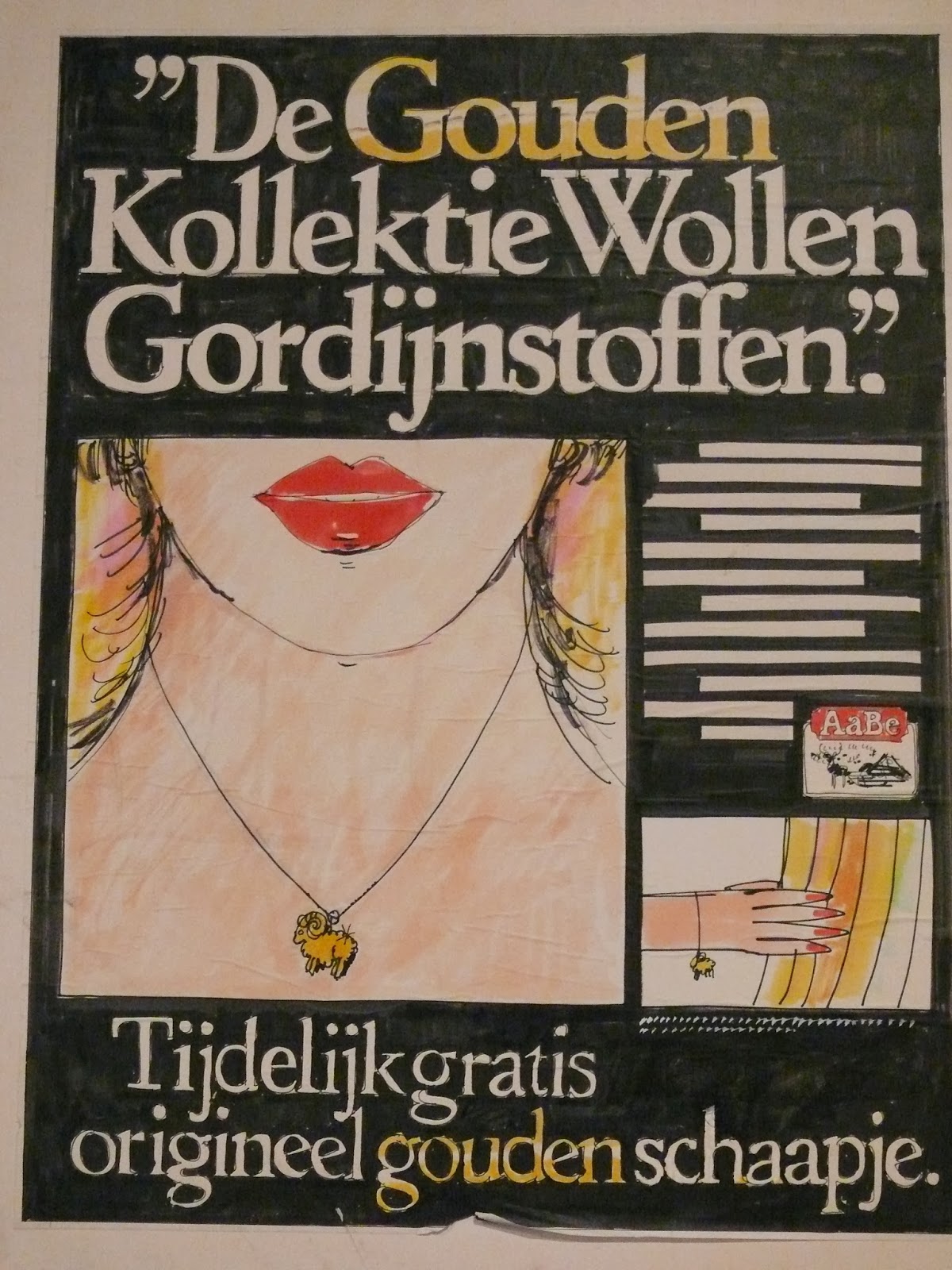
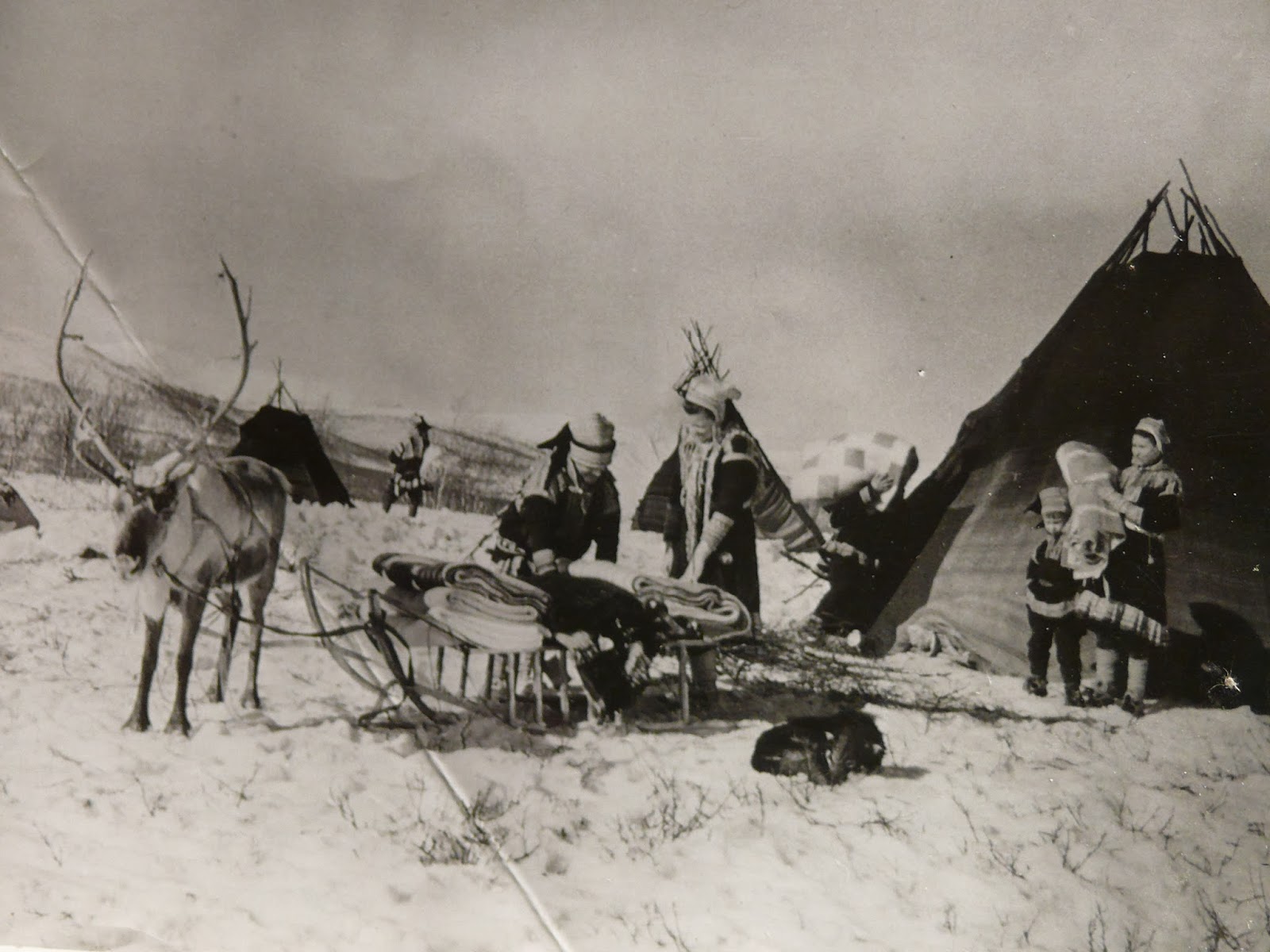
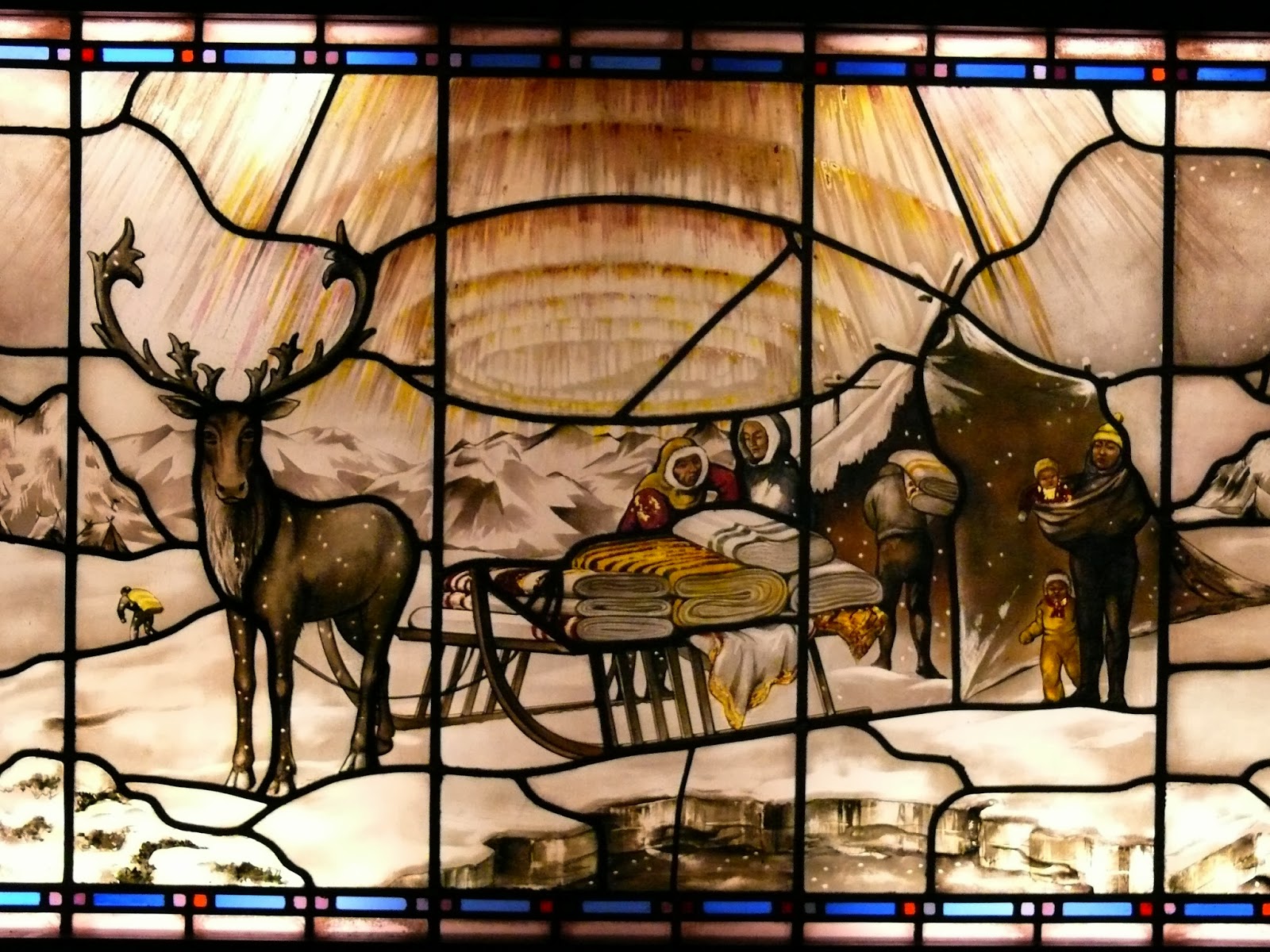
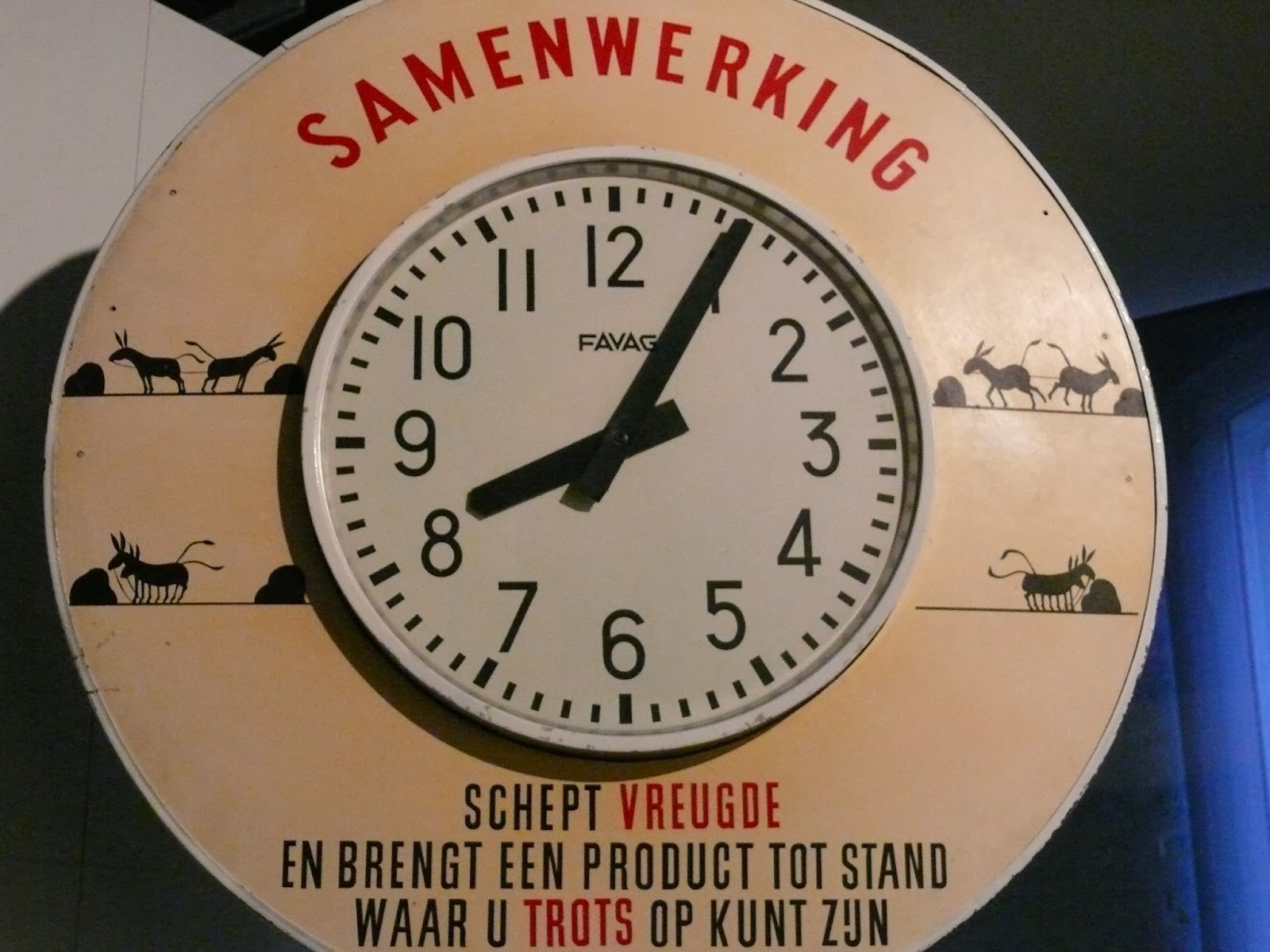
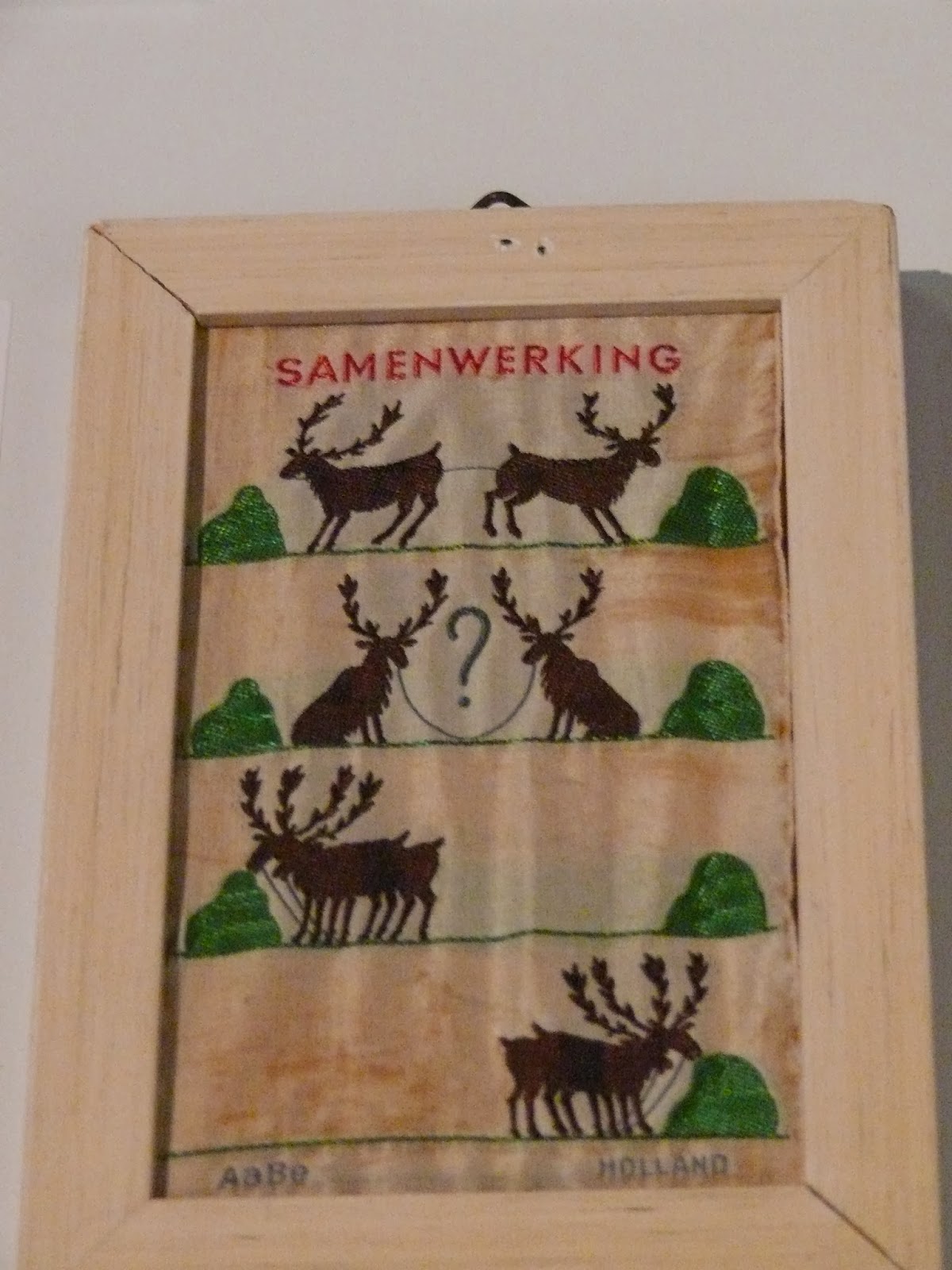
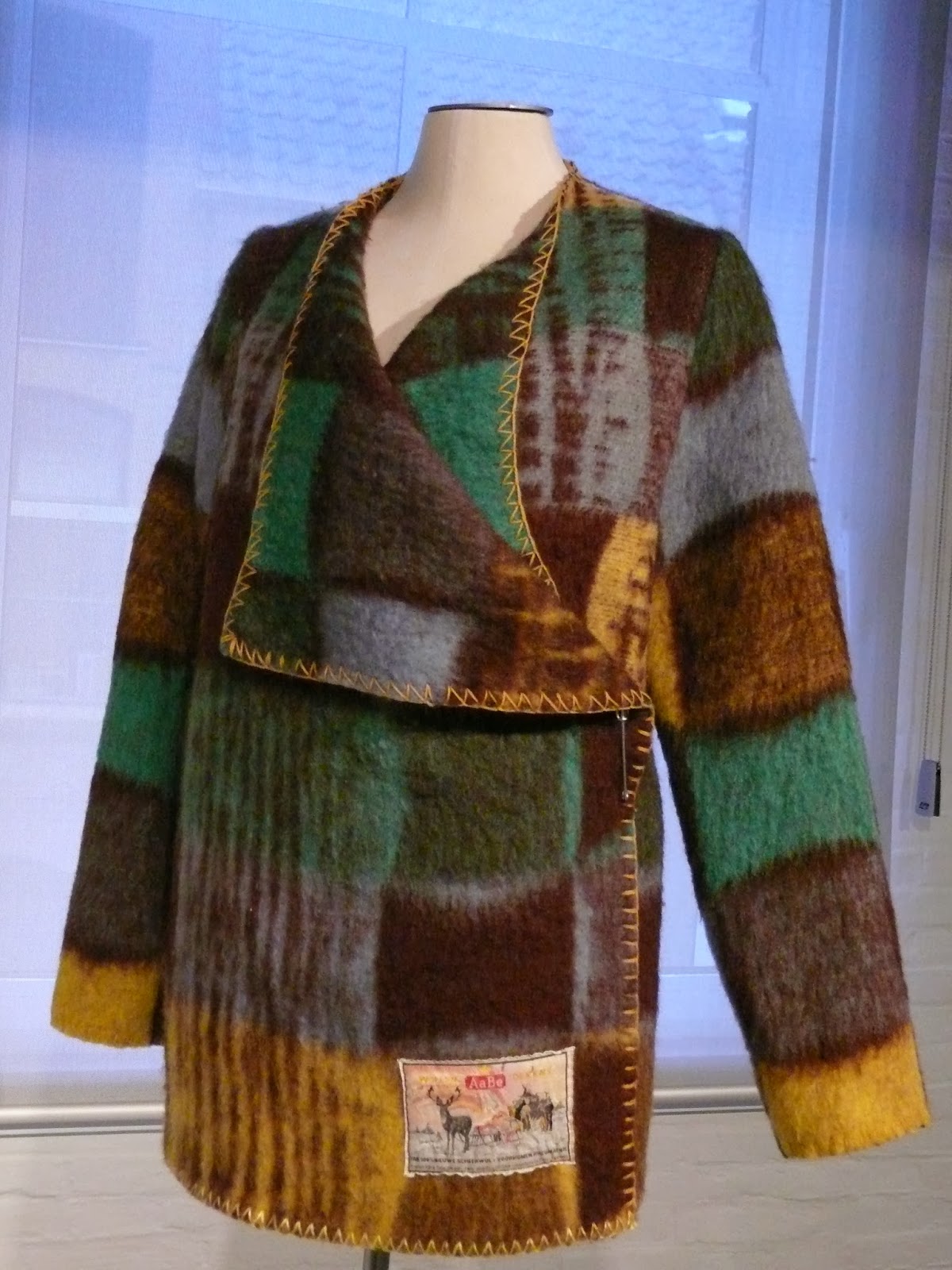
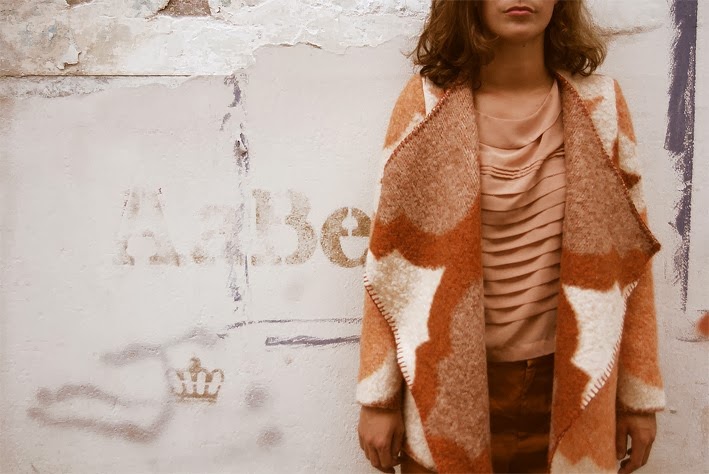
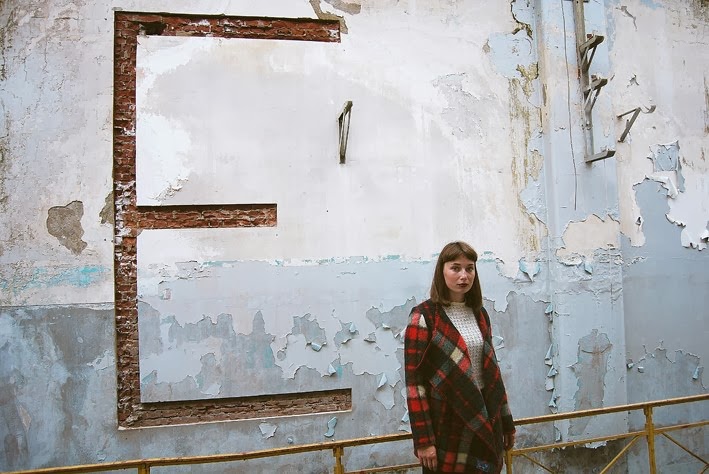
What also fits perfectly with our “It use to be so much hipper”-feel, are the coats by Wintervacht. It’s therefore very nice that these lovely coats were represented at the exhibition.
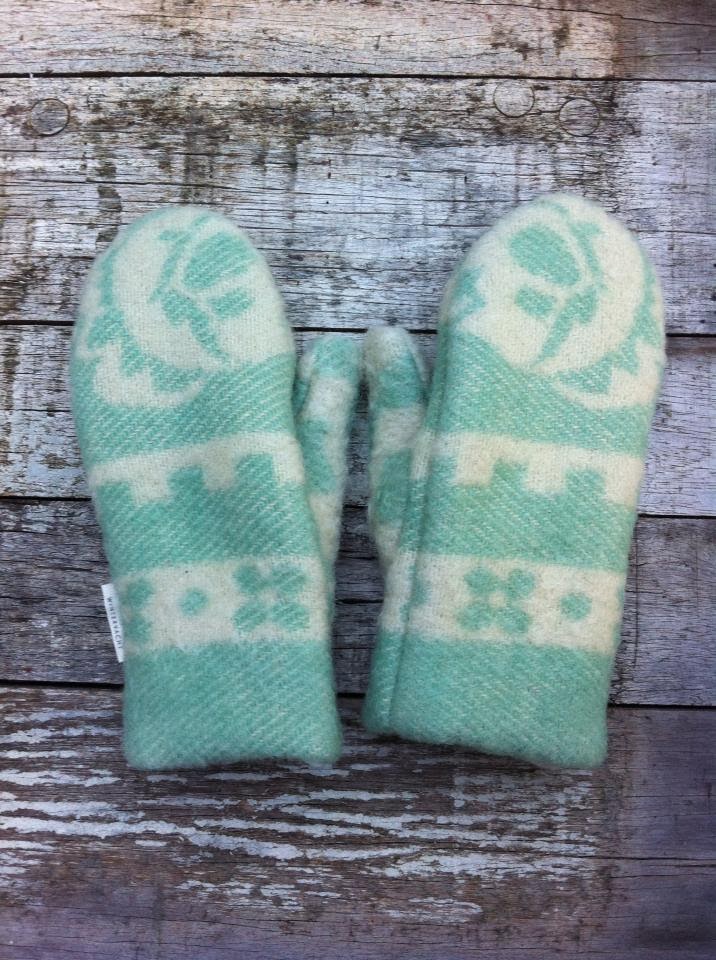
In October last year a Facebook friend of mine shared a campaign by Wintervacht. If you liked and shared, you could win one of their lovely coats. The coats are handmade out of AaBe blankets. Every coat is therefore unique. Next to coats they also made very cute mittens. It wasn’t really a cold winter, otherwise I’m sure I would have tried to save for my own sheep to wear.****
To end this post More Wool! Not from a sheep, but from a rabbit. We all saw the horrible images on how Angora wool was gathered on Facebook and in the media. That this can be done differently, shows the great clip made by Kimberly Buchy starring Furby the Angora rabbit. The video is featured in the Future room of the new, very nicely furnished exhibition “Living Spaces” at the TextielMuseum (till 11 May). The exhibition gives an overview of a hundred years of textiles in Dutch interiors. If you go, make sure to watch the great video in the 1950-1960 Goed Wonen room! For now enjoy the happy Angora rabbit!
* Winter Nomads, a film by Manuel von Sturler, www.hivernomade.ch
** Information from website Museum van Loon, www.museumvanloon.nl
*** Information from website TextielMuseum, www.textielmuseum.nl